
WELCOME TO MY BLOG!
Real Tips, Unforgettable Advices, Market Updates and Much more!
Whether you’re buying, selling, or just curious about the market, you’ll find the tools, tips, and guidance you need right here.

Read It Now
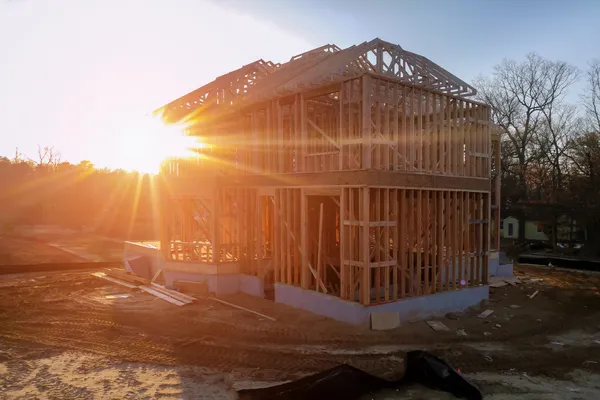
Touring a New Construction Home? Here’s What to Pay Attention To
Shopping for a newly built home is a very different experience from touring a resale property. Depending on the type of build, you may be walking through a completed home, touring a polished model, visiting a homesite that is still under construction, or simply evaluating land and a builder’s past work.
That is why it helps to know exactly what kind of new construction you are considering before you step foot on the property. A spec home, a production build, a semi-custom home, and a fully custom project all come with different expectations, different levels of flexibility, and different things to evaluate.
Here is how to approach each one like a smart buyer.
Why new construction tours feel different
With resale homes, what you see is typically what you get. With new construction, that is not always the case.
Some homes are already complete and move-in ready. Others are shown through a model home that includes premium finishes and upgrades that are not part of the standard price. In custom builds, there may not even be a finished home to tour at all — your focus may be on the homesite, the builder’s craftsmanship, and the team you are hiring.
Because of that, buyers need to look past first impressions and understand what is actually included, what is optional, and how the property will function day to day.
What to look for in a spec home
A spec home is usually built before a buyer steps in, or at least far enough along that the design decisions have already been made. Touring one often feels the most similar to viewing an existing home.
The biggest advantage is convenience. You can usually see the finished product, get a true feel for the layout, and avoid the uncertainty that comes with waiting months for construction to wrap up. The tradeoff is that your ability to personalize the home is limited.
When touring a spec home, focus on the permanent features first. Pay attention to the floor plan, room proportions, ceiling height, storage, and how much natural light the home gets throughout the day. These elements will matter long after paint colors and furniture styles change.
It is also important to inspect workmanship closely. Cosmetic details can reveal a lot. Look at trim lines, paint edges, outlet placement, cabinet alignment, and how doors and windows open and close. Outside, check siding, visible gaps, drainage, and cracks in concrete surfaces like the garage floor or driveway.
And do not let staging distract you. Beautiful furniture can make any room feel more impressive, but none of that comes with the house. Try to imagine the home completely empty so you can judge the actual space and layout for yourself.
How to tour production and semi-custom homes
When you are looking at a production or semi-custom community, your first tour will often be a model home rather than the exact home you would buy.
That is where many buyers get tripped up.
Model homes are designed to sell a lifestyle. They are usually loaded with upgraded finishes, enhanced design details, and carefully chosen décor. They are useful for understanding the builder’s style and available layouts, but they do not always represent the base price of the home.
As you tour, ask direct questions about what comes standard and what costs extra. Flooring, cabinetry, lighting, built-ins, accent walls, appliances, and even exterior features may all be upgraded beyond the advertised starting price.
Take notes as you go. A good builder or sales team should be able to explain the difference between the base package and the optional features. That distinction matters, especially if you are trying to stay within a specific budget.
Beyond the finishes, think about how the floor plan works for your real life. Is there enough storage? Does the kitchen layout make sense for how you cook and entertain? Are the bedrooms spaced well for your household? A beautiful model is not enough if the design does not support your day-to-day routine.
If the community has homes already under construction, ask whether you can tour one with the layout you are considering. That can give you a more realistic view than a model home alone.
What matters most on an active construction site
Sometimes the best way to understand a new build is to walk the site while the home is still being built. That can be incredibly helpful, but it also requires a different mindset.
Safety comes first. Closed-toe shoes are a must, and buyers should always stay with the person leading the tour. Construction sites are active work zones, not open houses.
Once you are there, use the visit to study structure and placement. This is your chance to look beyond finishes and pay attention to framing, room sizes, window placement, and how the home sits on the lot.
For semi-custom homes especially, the lot can change everything. The same floor plan may feel very different depending on sun exposure, yard size, elevation, privacy, and where the home sits on the street. Ask how the lot affects the final design, lighting, drainage, and outdoor living space.
Don’t forget to research how the builder’s homes hold up over time
A model home shows you the builder at their most polished. What it does not show is how their homes perform years later.
One of the smartest things a buyer can do is visit an older neighborhood built by the same company. Drive through a community they completed several years ago and look at the condition of the homes. Watch for signs of settling, exterior wear, peeling paint, cracking, or poor maintenance patterns that may point to construction quality issues.
If you get the chance, talk to homeowners. Ask how the builder handled post-closing repairs and warranty issues. Were problems addressed quickly? Did the quality live up to the sales presentation? That kind of real-world feedback can tell you far more than a showroom ever will.
Touring for a fully custom home is a completely different process
With a custom build, the “tour” may have very little to do with walking through a finished house. In many cases, you are evaluating land, studying design possibilities, and choosing the right builder and architect for your vision.
That makes preparation especially important.
Before anything else, get clear on what you want. The more defined your goals are, the easier it becomes to choose the right lot, the right team, and the right design approach.
If you are shopping for land, treat the site visit seriously. Consider the topography, privacy, sunlight, access, drainage, views, and how the home could be positioned on the property. An empty lot takes imagination, but it also demands practical thinking. Utility access, site prep, landscaping potential, and environmental concerns can all affect cost and feasibility.
In some areas, especially urban locations, buyers may also consider purchasing an older home for the lot itself and rebuilding. That can be a creative path, but local restrictions may apply. Zoning rules, permitting requirements, historical preservation standards, and demolition regulations can all influence what is possible.
Rural and suburban lots may offer more flexibility, but they can come with added infrastructure needs, especially if utilities are not already in place.
How to evaluate a custom builder or architect
When you are not touring a finished custom home, the next best thing is to evaluate the people who will bring your vision to life.
Start with their portfolio, but do not stop there. Photos are helpful, yet they only tell part of the story. If possible, tour homes they have already completed so you can see the quality of the materials, craftsmanship, and design execution in person.
Then have real conversations. Meet with the builder, architect, or project team and ask detailed questions about their process, communication style, timelines, and approach to problem-solving. A custom home is highly personal, so you want professionals who understand both the creative and practical sides of the job.
It is also wise to request client references. Former customers can give you insight into what it was like to work with the team, whether expectations were met, and how issues were handled along the way.
Final thoughts
Touring new construction is not just about deciding whether a home looks good. It is about understanding what kind of build you are considering, what is actually being offered, and how well the home or homesite fits your lifestyle and long-term goals.
In a spec home, pay attention to quality and layout. In a production or semi-custom community, separate standard features from upgrades. In a custom project, focus on the land, the team, and the vision behind the home.
The more you know before you tour, the easier it is to spot value, avoid surprises, and make a confident decision.

More educational content about Real Estate
Follow me on all social networks


FAQS
How Can I Contribute a Travel Story to Your Website?
We welcome contributions from fellow adventurers! To share your travel story with us, please navigate to the "Submit Your Story" section on our website. There, you'll find detailed guidelines on how to submit your article, along with our preferred content format. We're excited to hear about your adventures and share them with our community of travelers.
How Do You Ensure the Accuracy of Your Travel Guides?
Accuracy is paramount to us. Our team of experienced writers and researchers conducts thorough research and fact-checking for every travel guide we publish. We also regularly update our content to reflect changing conditions and recommendations. However, please note that travel information can change, so it's always a good idea to verify details with local sources before your trip.
Do You Offer Personalized Travel Planning Services?
Currently, we don't provide personalized travel planning services. Our focus is on creating comprehensive travel guides, inspiring stories, and useful tips to help you plan your own adventures. However, our website is packed with resources to assist you in crafting the perfect itinerary for your trip, from destination recommendations to packing guides and more. If you have specific questions or need advice, feel free to reach out through our community forum; our fellow travelers are always eager to help!

ALL Right Reserved to Jessica Taylor. Copyright 2025.